B2B Data Hygiene: How Clean Data Improves Deliverability and Pipeline
Why contact data decays, what it costs your campaigns and a simple process to keep it clean.
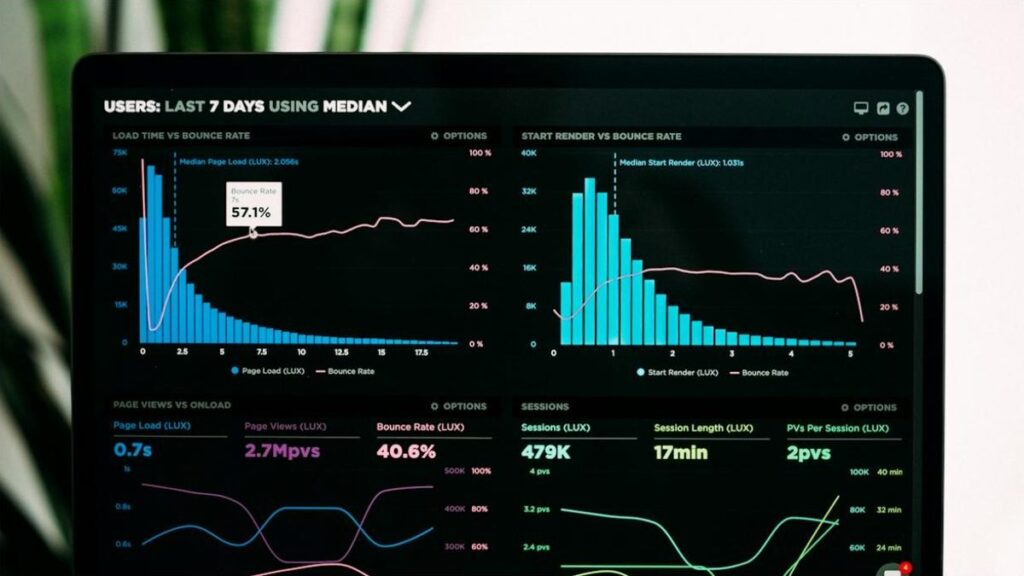
Every B2B campaign relies on data. When records are out of date, emails bounce, calls reach the wrong people and reports stop reflecting reality. B2B data hygiene is the ongoing work of keeping that data accurate.
Why B2B data decays
People change jobs, get promoted and move companies. Businesses merge, rebrand and change domains. Phone numbers and office locations change. Even a well-built database becomes less accurate every month if nobody maintains it.
What bad data costs you
- Deliverability. High bounce rates damage your sender reputation, so even good emails start landing in spam.
- Wasted spend. You pay to reach contacts who are no longer there.
- Lost sales time. Reps chase contacts who have left or never matched the target profile.
- Misleading reports. Duplicates and wrong fields distort attribution and forecasting.
- Compliance risk. Keeping data without a valid basis, or ignoring opt-outs, creates problems under GDPR, CCPA and CASL.
A practical data hygiene process
1. Audit what you have
Measure bounce rates, duplicate records, missing fields and the age of your records. This gives you a baseline to improve on.
2. Validate emails before you send
Run lists through email validation to remove invalid, risky and role-based addresses. Validate again before every major campaign.
3. Verify key contacts by phone
For high-value lists, voice verification confirms the person is still in the role and the details are correct. It is slower than automated checks but far more reliable.
4. Remove duplicates and standardise fields
Merge duplicate records and standardise job titles, industries, company names and country fields so segmentation works properly.
5. Enrich missing information
Fill gaps such as company size, industry and direct phone numbers so your targeting and scoring are based on complete records.
6. Respect consent and opt-outs
Keep a clear record of how each contact was obtained, honour unsubscribes immediately, and suppress contacts who have asked not to be contacted.
7. Make it a routine
Schedule hygiene as a recurring task, not a one-off project. Quarterly reviews of your most important segments are a good starting point.
A B2B data hygiene checklist
Use this B2B data hygiene checklist to keep your database healthy between campaigns:
- Validate email addresses before every large send, and remove hard bounces straight away.
- Merge duplicate contacts and accounts, keeping the most recent and complete record.
- Standardise job titles, countries and industries so segments work as expected.
- Flag contacts who have changed jobs and look for their replacements.
- Honour opt-outs across every system, not only your email platform.
Good data hygiene protects your sender reputation, which keeps future emails out of spam folders. It also makes reporting more reliable, because every metric is only as accurate as the records behind it.
If your database needs a reset, our data solutions team can validate and enrich your records, and our digital marketing team can put clean data to work. Read more data research on Cyber Tech Insights.
Who should own B2B data hygiene?
B2B data hygiene works best when one person or team owns it. In smaller companies that is often marketing operations; in larger ones it may be a dedicated data or revenue operations team. The owner sets the rules for required fields, formats and duplicates, runs regular checks, and reports on data quality alongside campaign results.
Everyone who creates records has a part to play too. Sales should update contacts after calls, and marketing should validate new records at the point of capture, for example with email checks on forms. Small habits like these reduce the amount of clean-up needed later.
How DDM helps
Our data solutions combine email validation, voice-verified contact checks and behavioural data to keep your lists accurate, compliant and ready for campaigns.
Frequently asked questions
How often should B2B data be cleaned?
Validate email lists before every major campaign and review your core CRM data at least quarterly.
What is a healthy email bounce rate?
Aim to keep hard bounces as close to zero as possible. Consistently high bounce rates are a sign your list needs validation before you send again.
Is data enrichment the same as data cleansing?
No. Cleansing removes and corrects bad data. Enrichment adds missing information to records that are already accurate.
Ready to put this into practice?
Our team runs BANT, ABM, content syndication and data programs for B2B technology brands.
Related articles

BANT Lead Qualification: A Practical Guide for B2B Sales Teams
What BANT means, the right questions to ask, and how to use it without slowing your sales team down.

Account-Based Marketing Strategy: 7 Steps to Win Enterprise Accounts
How to choose target accounts, reach the whole buying committee and measure what matters.

Content Syndication for B2B: How to Turn Whitepapers into Qualified Leads
Which assets work best, how to filter leads and how to follow up so they turn into pipeline.